
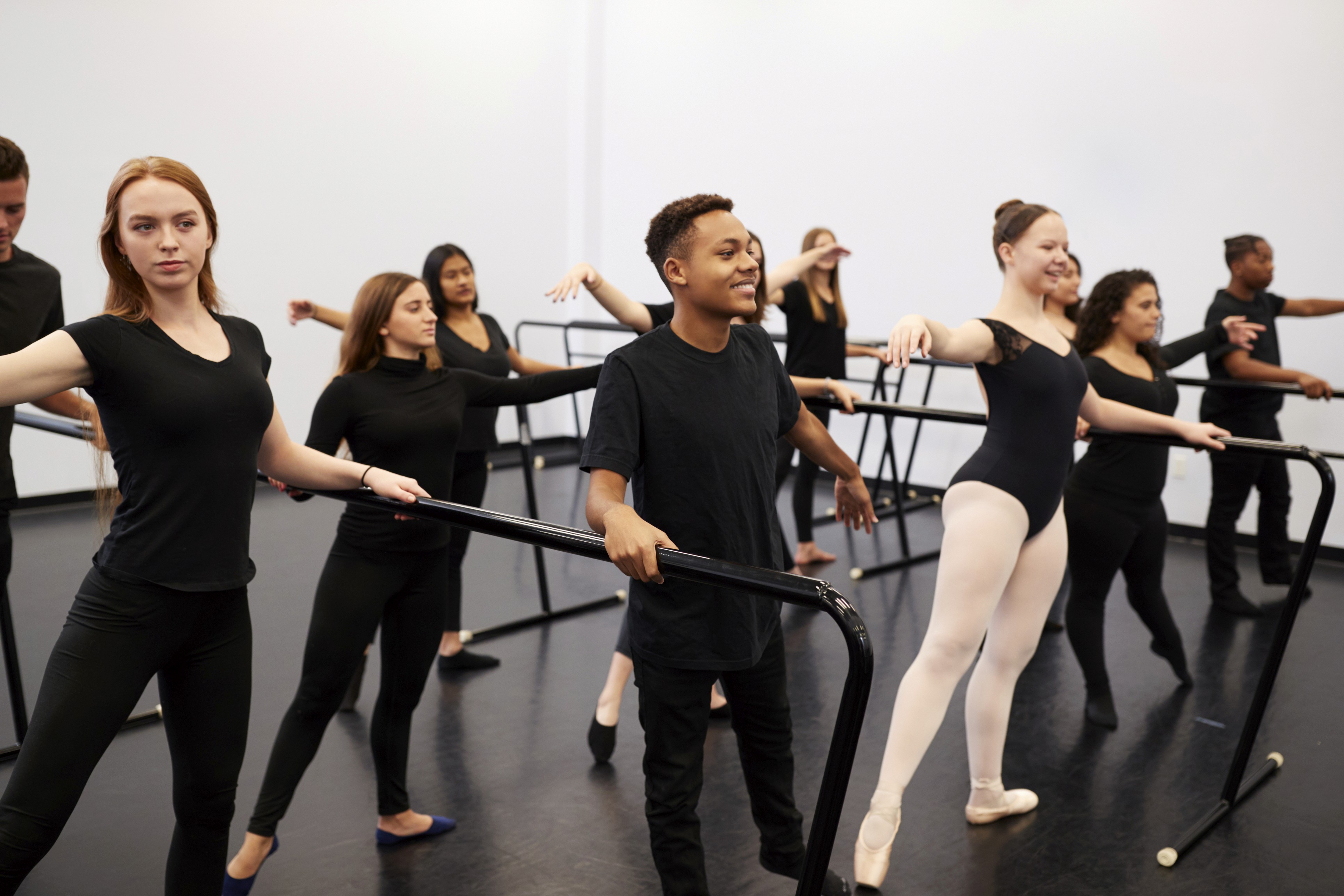
Dance school vs Dance Studio. Understanding the key differences between a dance school and a dance studio is essential if you’re about to embark on the journey of opening one.
Let’s dive in.
Differences between a Dance School & a Dance Studio
Dance Studio
In most cases, a dance studio is a business run by a teacher or professional that may focus on a specific type of dance or offer a broader mix such as ballet or hip hop, depending on student personal preferences.
Classes are typically held outside of children's normal educational hours and are often recreational classes or recreational dance classes that help students start dancing around school, work, and other commitments. Studios usually welcome beginner dancers, experienced dancers, and people of all ages across different skill levels.
For many adults, adult classes can provide a creative outlet, physical activity, personal growth, mental health benefits, and stronger self-esteem.
Dance Schools
A dance school is more similar to a traditional educational institution. Dance schools typically use a structured approach to dance education and formal education, with a primary focus on preparing students for progression or professional paths. Some programs are also focused on preparing students for intensive training and eventually becoming professional dancers.
While both dance schools and dance studios may offer competitions, exams, and recitals, schools may also offer performance opportunities through recitals, exams, performances, and dance competitions that can significantly impact a student's progression or future within the school.
Dance schools are often affiliated with production companies, and these affiliations can offer performance opportunities and create more opportunities for students.
Other differences include:
Curriculum: Range of Dance Styles
Both dance schools and studios may offer a curriculum, but a dance school's dance education is usually more comprehensive and formal. It often includes dance history, technique, rhythm counting, theory, choreography, and the cultural context of a dance form, so dancers learn skills, routines, and musical understanding in a structured way. In contrast, a dance studio's primary focus is often enjoyment and broad participation, though some studios also offer classes for students with serious goals.
(Although that's not to say a student can't go on to study at a dance school after discovering a love for dance at their local studio.)
Faculty & Professional Training:
While both dance schools and dance studios have knowledgeable, skilled, and capable dance teachers, dance schools often have a more extensive and specialized faculty that can support dancers at different stages, from young dancers to aspiring professionals.
This may include not only dance instructors but also principals, a management team, and additional support staff. Specialized staff and instructors can also refine dancing skills more systematically.
Dance schools frequently have dedicated administrative and marketing teams as well. In contrast, in many dance studios, these responsibilities are typically handled solely by the studio owner. (You dance studio owners wear a lot of hats!)
Entry Requirements:
Dance studios typically follow an “all are welcome” approach, where they offer dance classes to dancers of nearly any age or ability and place them in a class that best suits their level and needs. This flexibility makes it easier to start dancing without the admission barriers common in schools.
In contrast, dance schools often have more rigorous admission requirements. These may include set enrollment periods, auditions, or even interviews to ensure that a student's skills and goals align with the school's standards and offerings.
So, Are You Running a Dance School or a Dance Studio?
As you can see above, the differences between a dance studio and a dance school are significant. If you're looking to take the plunge into teaching dance, the most natural first step is to open your own dance studio—not a dance school.
With a dance studio, you have complete freedom over the dance styles and genres you offer, the number of classes per week, the structure of your schedule, and more. You can shape classes around local demand, student passion, and your own preferences rather than a fixed institutional model. Everything is under your control, without the constraints of a formal curriculum or a board of governors. That flexibility can also help build a stronger dance community.
But what exactly do you need to consider when choosing to run a dance studio instead of a dance school? This model often suits students balancing dance with other commitments, while schools may follow a more rigid track.
Area | Dance Studio | Dance School |
|---|---|---|
Dance Studio Management Software | Must-have tool for scheduling, payments, and communication. (You’ll thank us later) | Often built into institutional systems. |
Curriculum | Flexible—you design it | Structured and standardized. |
Student Entry | You set it - but often open to all ages and abilities | Selective—may require auditions. |
Facilities | One or two equipped studios. |
|
Find out more about what you need to run a successful dance studio in our blog posts:
How Can Class Manager’s Dance Studio Software Help Run Your Dance Studio?
Class Manager’s free class management software—with no monthly subscription—has been designed specifically with dance studio owners in mind. So when you take the plunge and open your own dance studio (not a dance school—although we can help with that too), we’re here to support you every step of the way.
From class scheduling to automated billing, Class Manager provides an easy-to-use platform that lets your customers browse and book classes with ease.
Want to find out more? Book a demo with our team, or create your free account here.

