

You’ve done it. You’ve taken the plunge and started your dance studio. Congratulations!
Starting a dance studio - it’s an exciting and exhilarating time. But it's more than just sharing your passion for dance with your students.
In this article, we'll break down the key aspects and what you need to know to run a successful, profitable dance studio.
“What Do I Need To Run My Own Dance Studio?”
Starting a dance studio means you've already tackled the basics:
Securing a studio or teaching location.
Choosing your dancing style (and you may have mentally planned some lessons and events too).
Taking the leap of faith to follow your passion.
But running a thriving studio requires more than just these essentials. Before taking on the ongoing roles, create a business plan that identifies your target customer and sets a clear foundation. You'll need to take on various roles, much like performing different parts in a play. Only this time, the ‘characters' you embody are vital business functions. You'll need to be:
An Accountant: Manage finances, track income and expenses, and handle budgets.
A Marketing Manager: Promote your studio, attract clients, and build your brand. (See our blog post here for help.)
A Strategist: Plan for growth, adapt to trends, and stay competitive.
A Manager: Oversee staff, schedules, and day-to-day operations.
A Health and Safety Officer: Ensure your studio meets all regulations and provides a safe environment.
Running a successful dance studio means balancing these responsibilities while delivering excellent classes. It's a challenge, but with the right mindset and preparation, it's a rewarding one.
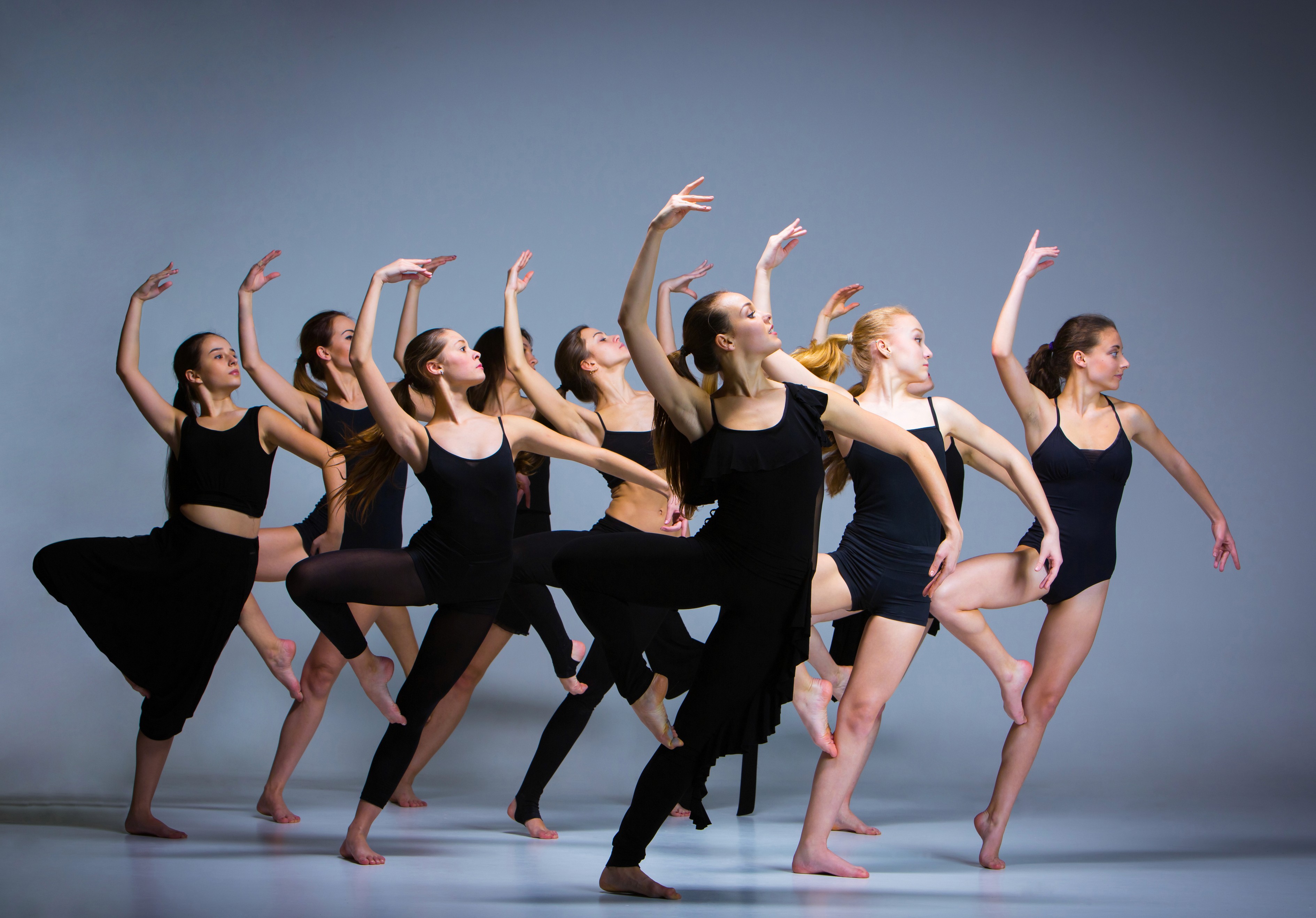
The Must-Have Skills For A Successful Dance School
Owning a dance studio is an exhilarating adventure, but it's about more than just pirouettes and playlists! To turn your passion into a successful business, you'll need to step up with these essential skills:
Dance Expertise: Whether you've wowed audiences or taught countless students, a strong dance background builds your credibility and confidence as a leader. Experienced dancers or teachers who can teach credibly inspire trust and show families your studio delivers real progress.
Industry Savvy: Keep your finger on the pulse of dance trends and student interests. Offering what's in demand ensures your studio stays the hottest spot in town.
Teaching Magic: Teaching children and young adults? Bring structure and fun! Working with adults? Create a connection that keeps them coming back for more. Great teaching is at the heart of every studio. Develop a progressive syllabus for different ages, with early childhood classes designed to build motor skills and creativity. Clear milestones and regular feedback help keep students engaged.
People Power: From calming an upset parent to inspiring your staff, solid interpersonal skills will make you the glue that holds your studio together. Maintaining suitable instructor-to-student ratios helps teachers give each student individual attention.
Hire qualified instructors who align with your teaching philosophy and support a positive work environment, and use team-building to help retention.
With the right mix of skills, energy, and heart, you're set to create a dance studio that's not just successful but a joyful, thriving community!
Finding the Finances and Creating a Business Plan
If you hope to start your own dance studio, funding needs to cover more than passion alone.
Your business plan should show where the money comes from, how ongoing bills will be covered, and why liability insurance is a necessary operating cost.
Cost | Why You Need It |
|---|---|
Studio Rent | Safe and reliable location for your classes to take place; renting is often more affordable than buying when you're opening a studio. |
Essential Equipment | Includes quality sound systems for music, ballet barres, mirrors, uniforms, and costumes. (Depending on your dance genres and styles you're teaching). |
Time-Saving Tools | Class management software to save 25+ hours a week on admin, essential in the running of your studio. (Class Manager is a fabulous example of this). |
Marketing Costs | Paid ads, newspaper features, and other strategies to attract students and build awareness. |
How can you secure the finances to turn your dream into a reality?
Bank Loans: A tried-and-true way to get the startup funds you need.
Investors: Pitch your vision to those excited about supporting the arts.
Partners: Bring in fellow dance teachers who share your dream and want to join forces.
With the right financial foundation, you'll be on your way to creating a studio that thrives from day one—and support the journey and hard work it takes to turn dreams into reality.

Choosing A Name
Have you chosen a name for your dance studio yet? If yes, feel free to skip this step.
If not, this may be something that you would want to put a fair amount of thought into, after all, “The name is the most important part of your brand.” – Daymond John Write a short mission statement so the name supports your studio’s identity.
Some top tips: Try your best not to call it something that could change in the future, i.e., your name or last name: ‘The Jones School of Dance'.
Or ‘Name it after a location, ‘Dance Suffolk Dance' - instead, try and find a name that conveys what you are and what you do (that a competitor hasn't already taken): ‘The Pointe Ballet School', then choose a logo and visual style with consistent colors and typography to match.
Other naming tips include:
Keep It Simple: Avoid names that are hard to spell or pronounce. You want students to remember your name easily.
Make It Available: Ensure the domain name is available for your website and check if it is trademarked, and make sure your website reflects the same brand identity with matching colors and typography. (You can check your domain name search here.)
Stay Industry-Relevant: The name should relate to dance, so students instantly know what your business is about.
Love It: Above all, make sure you truly love the name. It will represent your passion and dedication!
Take your time, and choose wisely, after all, it's going to represent you and your business goals

Location Location Location
If you've already found your studio location, skip ahead to the next section!
Your dance studio doesn't need to be in the city center, but finding the right space still matters. Being a little outside can be better, it's easier for students and parents to access, avoiding city-center traffic. Plus, renting is often more affordable than buying a building, and you'll save on high rent costs.
Look for a clean, spacious area that fits your needs, with room for at least 25 students per class. If you prefer smaller classes, consider a more intimate space for a cozy atmosphere, but prioritize high ceilings, natural light, and sprung flooring for safety and performance. Before signing a lease, check that the site meets legal requirements, including a Certificate of Occupancy
Keep To Business Regulations
Whether you're offering just a few classes a week or running a full week's schedule, make sure your business has the right legal structure, is properly registered, carries appropriate liability insurance, and has the required licenses and permits. Registration may also include obtaining an EIN number, depending on your market. The process can be tricky, but an experienced agent or attorney can help guide you. Regulations vary by location, so it's crucial to understand what's required in your area for legal compliance.

Marketing, Retention, Teaching - Final Thoughts
If you're wondering what comes next, once your dance studio is set up, registered, and legally compliant, the focus shifts to marketing, retention, and day-to-day operations. It's time to attract new Clients, plan your classes, and think about how you'll keep students coming back.
Optimize your Google Business Profile for local SEO, use social media targeting, and focus on Instagram, Facebook, and YouTube to reach nearby families.
A structured referral program can bring in new students, and word of mouth still matters because people often hear about studios locally; you can also drop flyers or promo cards in nearby mailboxes and community spots.
Host open-house events and partner with local organizations to build community support before you open the door to new families.
But now the real challenge starts. Don't worry, though, at Class Manager, we've got your back. Our easy-to-use software helps you stay on top of class scheduling, admin, billing, and tracking Income, so you can focus on what matters most. Plus, we offer free advice to help you market your dance studio and more!
So, whether you're hiring new teachers, organising a recital or other events, or looking to expand your dance studio further, we've got you covered. As you grow, part-time teachers from local colleges can also be a practical hiring option. Book a demo with our team, or create your free account here.
See our past guides and blog posts online to learn more:

