
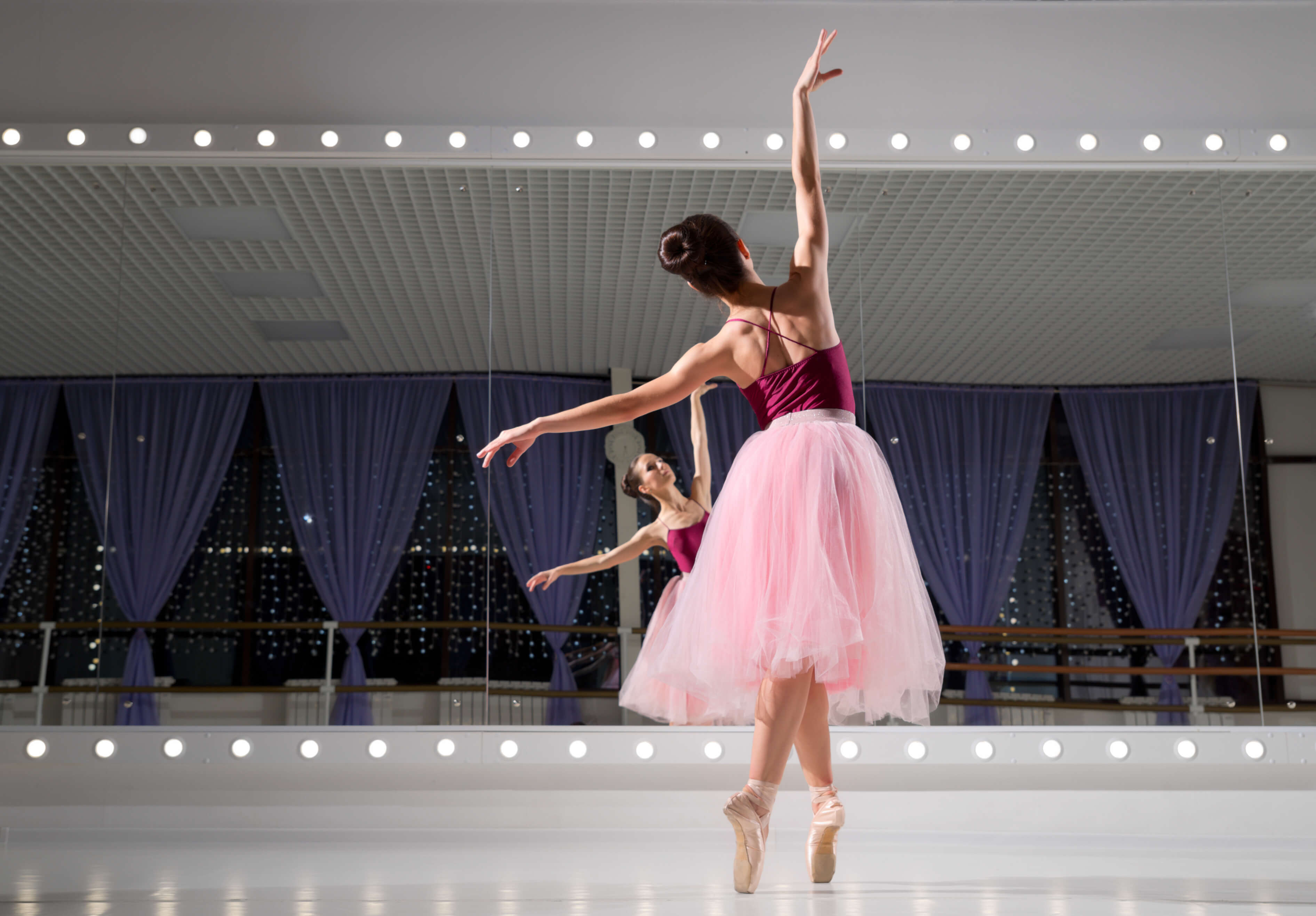
As a dance teacher, every week, you're nurturing your students, teaching them, and training them so that they can achieve whatever they put their minds to.
Imagine there's a whole generation of children who know the importance of hard work and the thrill of success and confidence because you taught them that hard work, resilience, determination, and inspiration pay off, and helped them develop through training. What a legacy to leave behind.
What Is A SMART Goal?
Goal setting has long been a successful strategy for encouraging personal, professional, and academic growth, and setting goals around dance gives dancers clearer direction. In the dance studio, setting SMART goals can help your students grow and evolve into fabulous dancers, and this process can help them set dance goals one step (or leap!) at a time.
SMART goals stand for:
Specific – Goals should be clearly defined, not vague or general. Before choosing a target, dancers should determine the clear objective they want to achieve. For example, saying “I want to get better at ballet” is too broad. What does “better” mean? Does it involve achieving a higher grade, mastering a double pirouette, or improving flexibility for grand battements?
Measurable – Dancers need a way to track their progress and know when they've succeeded. For instance:
“I will execute 20 clean single pullbacks in a row with even rhythm and sound.”
“I will rehearse my jazz solo three times a week and film it once a week to review, reflect, and note what showed the most improvement in my performance.”
Attainable – Goals should stretch a student's abilities, but still be realistic and achievable. An ultimate dream like becoming a professional dancer should not feel like a pipe dream, but the next step still needs to fit current reality. That’s why achievable goals matter: “I will improve my double pirouettes so I can consistently land them during my recital piece within the next eight weeks.”
Relevant – The goal should match the dancer's current focus and feel meaningful. If a tap dancer sets a goal to improve aerial tricks used in acro, that's not aligned with their core dance style. A more relevant goal might be: “I will master my time step variations to improve speed and accuracy for my upcoming tap exam,” which makes it one of the more meaningful goals they can pursue.
Time-Bound – Goals need a timeline. This acts as a checkpoint, helping dancers stay accountable and turn deadlines into a workable plan for short term goals. Instead of leaving goals open-ended, add a realistic timeframe, such as: “...over the next four weeks” or “...by the end of the season.”
A Complete SMART Goal Example
“I will perform a clean double pirouette on my right side with proper spotting and controlled landing, five times in a row, during class by the end of next month.”
This goal is:
Specific (clean double pirouette on the right side)
Measurable (five times in a row)
Attainable (challenging yet realistic for many dancers)
Relevant (pirouettes are foundational in many styles)
Time-Bound (by the end of next month)
This kind of structure also supports long-term goals and a dancer’s future.

Why Are SMART Goals Important For Dance Studios?
Dance teaches discipline, focus, and resilience, all of which are reinforced when students set SMART goals. Through this structured goal-setting approach, dancers become more aware of their objectives, their aim, and their expectations; importantly, they understand what they’re working toward before deciding how to get there and what it takes to stay committed. It builds accountability and a sense of ownership over their own progress.
By setting their own goals, students, especially younger ones, can understand that success does not just happen by chance but is a result of effort, while also building motivation and a stronger mindset. Once they've met one goal, they'll be itching to succeed in another one. Nothing beats the feeling of mastering a technique or bit of choreography that you've previously had trouble with.
For dance studios, SMART goals offer benefits far beyond individual student growth:
They foster a culture of progress and perseverance.
They keep students engaged, focused, and motivated over time.
They demonstrate to parents that your studio values intentional training and measurable growth.
They offer powerful stories and statistics to use in marketing, whether showcasing how many students improved specific skills or met their performance goals.
Used consistently, SMART goals help students take control of their own learning journey, one clear, purposeful step at a time. And who knows? That structured, goal-driven approach might just be what helps turn a dream into progress, support big dreams, and give students hope, like becoming the principal dancer in Swan Lake.

SMART Goals For Your Students, Teachers & Studios
Struggling to come up with effective SMART goals? Here are some tailored templates to help you get started for your students, teachers, and your studio as a whole.
SMART Goals For Dance Teachers
“I will enter at least 15 students for their graded ballet and tap exams by the end-of-term registration deadline.”
“I will encourage selected students to choreograph a 1-minute solo using steps learned this season, refining movement quality and learning by observing other dancers, to be performed during the end-of-term showcase in July.”
“I will provide individual progress feedback on technical growth and other aspects of each student’s dancing to all students in my classes once per month for the next three months to support their personal development.”
SMART Dance Goals For Dance Students
“I will pass my Grade 3 Modern exam with a Merit or higher by the end of the spring term.”
“I will successfully perform a clean double pirouette on my left leg with proper spotting and control by recital day in six weeks.”
“I will stretch for 15 minutes, four times a week, to improve my splits and gain full flexibility by the end of the term.”
SMART Goals For Dance Studios
“We will gain local recognition by participating in three community events or performances by the end of the year, enriching students’ dance life and helping them connect with friends.”
“We will enroll 20 new students for the fall term by August 31st through social media marketing and trial class promotions.”
“We will implement a quarterly goal-setting session with all students and teachers as a structured development course to track and celebrate progress, beginning next term with a new year review cycle so everyone can reflect and adjust goals when circumstances change.”

Want to learn more about planning your lessons and creating a supportive and welcoming space for your students to thrive and grow? See our other blog posts:
Dance studio certifications: What you need to stay compliant
Creating an Inclusive Dance Class: supporting autistic students
Tips to grow your dance studio
Book a demo with our team, or create your free account here.

